

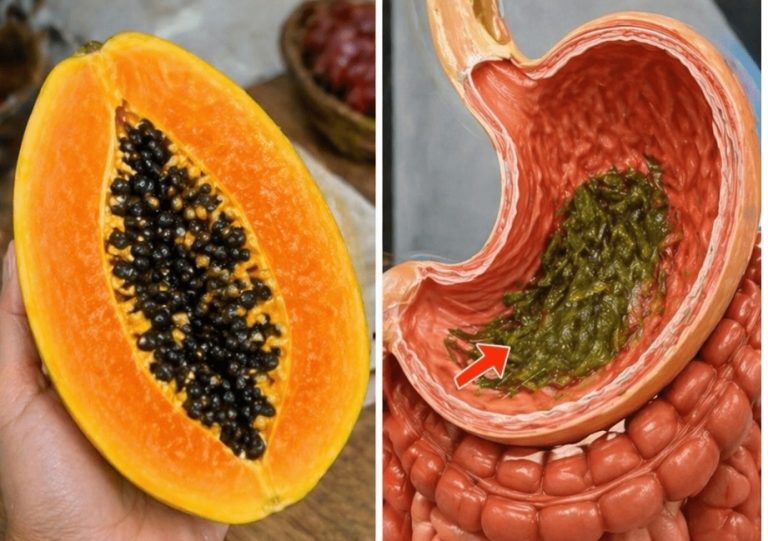
Papaya Seeds: A Simple Kitchen Addition for Everyday Wellness
1. Introduction: Rethinking a Common Habit
- Most people discard papaya seeds without thinking.
- These small, peppery seeds may offer nutritional and functional benefits.
- Growing interest in using them as a low-cost, natural addition to daily routines.
2. What Are Papaya Seeds?
- Found in the center of the papaya fruit
- Characteristics:
- Small, round, black seeds
- Crunchy texture
- Peppery, slightly spicy flavor
Why They’re Gaining Attention:
- Unique nutritional profile
- Higher concentration of certain compounds than the fruit itself
- Increasing interest in food-based wellness strategies
3. Nutritional Profile
Key Components:
- Fiber
- Supports digestion and regularity
- Healthy fats
- Includes essential fatty acids
- Antioxidants
- Help protect cells from oxidative stress
- Enzymes (e.g., papain)
- Assist in protein digestion
4. What Research Suggests (Simplified)
- Studies (mostly lab and small-scale) explore:
- Digestive support from fiber + enzymes
- Antioxidant activity
- Gut health support
- Important context:
- Much research uses extracts, not whole seeds
- Human evidence is limited but emerging
Key Takeaway:
Papaya seeds are best viewed as a supportive food, not a replacement for medical treatments.
5. Papaya Seeds vs. Store-Bought Supplements
| Aspect | Papaya Seeds | Store-Bought Supplements |
|---|---|---|
| Source | Whole food | Manufactured |
| Cost | Very low | Can be expensive |
| Form | Natural seeds | Pills/capsules |
| Flavor | Peppery | Neutral/flavored |
| Prep | Simple | Ready-made |
6. Potential Wellness Benefits
Digestive Support
- Fiber → promotes regular bowel movements
- Enzymes → assist protein digestion
Antioxidant Support
- May help manage everyday oxidative stress
Gut Health
- Combination of fiber + enzymes may support comfort
Other Areas of Interest (Limited Evidence)
- Liver support
- Antimicrobial properties
7. How to Prepare Papaya Seeds
Step-by-Step:
- Scoop seeds from ripe papaya
- Rinse thoroughly
- Dry:
- Air-dry (1–2 days), or
- Low heat (100–120°F / 38–49°C)
- Store in airtight container
8. How to Use Them Daily
Starting Amount:
- Begin with ¼–½ teaspoon per day
- Increase gradually if well tolerated
Easy Uses:
- Grind into powder for:
- Smoothies
- Yogurt
- Salads
- Use whole as:
- Pepper substitute
- Mix into:
- Lemon water
- Herbal teas
- Salad dressings
9. Practical Routine Example
Beginner Plan:
- Week 1: ¼ tsp daily
- Week 2+: Increase to ½ tsp
- Combine with:
- Balanced diet
- Hydration
- Light activity
10. Safety Considerations
Use Caution If:
- Pregnant or breastfeeding
- Allergic to latex
- Sensitive digestion
General Tips:
- Start small
- Monitor your body’s response
- Avoid excessive intake
11. Frequently Asked Questions
Can I eat them raw?
Yes, but drying improves taste and storage.
How much is safe daily?
Typically ¼–1 tsp; avoid exceeding 1–2 tsp without guidance.
What do they taste like?
Peppery—similar to black pepper or horseradish.
Are they safe for kids?
Consult a healthcare professional first.
12. Key Takeaways
- Papaya seeds are:
- Nutrient-dense
- Low-cost
- Easy to prepare
- They may support:
- Digestion
- Gut comfort
- General wellness
13. Final Thought
Small kitchen habits—like saving papaya seeds—can:
- Reduce waste
- Add variety to meals
- Support everyday wellness in a simple, sustainable way