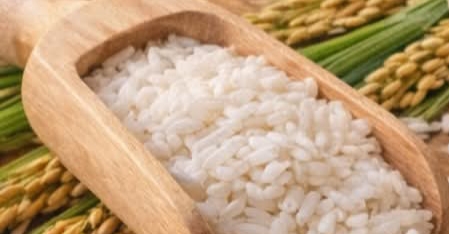

Why Rice Matters More Than You Think for Daily WellnessRice is a staple for billions of people worldwide, providing steady energy without much fuss. But not all rice is created equal when it comes to supporting the body’s natural processes.Whole grain options retain the bran and germ layers, which contain fiber, antioxidants, and minerals. Refined white rice removes those layers for a softer texture and longer shelf life. Research suggests that certain whole grain rices may help with blood sugar management and provide compounds that support the body’s natural cleansing pathways through better digestion and antioxidant activity.Studies have linked higher intake of whole grains, including certain rices, to better metabolic health markers that indirectly aid kidney function over time. For example, fiber from whole grains can promote regular digestion, which helps the body manage waste more efficiently.But here’s where it gets interesting: portion control and preparation methods play a big role, especially if you’re mindful of mineral intake like phosphorus or potassium. Always check with your healthcare provider or a registered dietitian before making big changes, particularly if you have existing health conditions.The Top 3 Rice Varieties Worth Adding to Your RotationLet’s break down the three most talked-about options based on their nutritional highlights. These choices focus on balance—offering nutrients while remaining practical for everyday meals.1. Brown Rice – The Everyday Whole Grain PowerhouseBrown rice keeps its outer bran layer, giving it a nutty flavor and chewy texture that many people grow to love. This layer delivers higher amounts of dietary fiber, B vitamins, magnesium, and antioxidants compared to white rice.Nutrition science points to brown rice’s fiber content helping promote feelings of fullness and supporting steady energy levels. Some research indicates that swapping refined grains for whole grains like brown rice may contribute to healthier blood sugar responses, which is relevant for long-term wellness.One study noted that diets higher in whole grains were associated with a lower likelihood of certain metabolic challenges that can strain the body’s systems. Brown rice also contains compounds like gamma-oryzanol that have drawn attention for their potential antioxidant properties.Key Benefits at a Glance:Higher fiber for digestive supportMore minerals like magnesium for overall energyLower glycemic impact than white rice in many comparisonsIf you’re new to brown rice, start with a 50/50 mix with white rice to ease into the texture.2. Black Rice (Also Called Forbidden Rice) – The Antioxidant-Rich StandoutBlack rice has a striking dark color that comes from natural anthocyanins—the same type of antioxidants found in blueberries and blackberries. It tops many lists for antioxidant activity among rice varieties.Research shows black rice contains significantly higher levels of these protective compounds than brown or white rice. Anthocyanins are studied for their role in fighting oxidative stress and supporting cardiovascular health, which connects to broader wellness including kidney support.In lab and animal studies, black rice extracts demonstrated potential to help manage certain markers related to oxidative balance. For daily use, its mild, slightly sweet flavor works well in both savory and sweet dishes.Black rice is also higher in protein and fiber than many white varieties, making it a filling option that may help with weight management goals.Comparison Table: Antioxidant Levels (Approximate Relative Activity)Rice Type Antioxidant Highlights Fiber Content (per serving) Best ForBrown Rice Good levels of flavonoids High Daily stapleBlack Rice Highest anthocyanins Very High Occasional boostRed Rice Strong flavonoids High Flavor variety(Data drawn from general nutrition databases and comparative studies; individual varieties vary.)3. Red Rice – The Colorful Fiber BoosterRed rice gets its hue from proanthocyanidins and other flavonoids concentrated in the bran. It offers a robust, earthy taste that pairs beautifully with vegetables, proteins, or in grain bowls.Compared to brown rice, red rice often shows even higher potential for free radical fighting in some analyses. Its fiber and mineral profile can support gut health, which emerging research links to better overall toxin management through improved digestion.Many people find red rice more flavorful than plain brown rice, making it easier to stick with healthier eating habits long-term.Here’s why these three stand out together: They provide a mix of fiber for digestion, antioxidants for cellular support, and varied textures to keep meals interesting. But remember, no single food “repairs” or “flushes” anything on its own—consistency with a balanced diet is key.How These Rices Support Your Body’s Natural ProcessesThe connection comes down to several practical mechanisms:Fiber for Digestion and Balance: Higher fiber intake from whole grain rices can promote regular bowel movements, helping the body eliminate waste naturally.Antioxidants for Daily Protection: Compounds in colored rices may help reduce oxidative stress from everyday living, supporting the organs involved in filtration.Blood Sugar Stability: Lower glycemic responses from these varieties (especially when paired with proteins and veggies) may reduce strain on metabolic systems over time.One review of whole grain consumption suggested benefits for inflammation markers and gut microbiota, both of which play roles in feeling your best.That said, if you follow a renal diet or have restrictions on potassium/phosphorus, white rice or specific low-mineral options might be recommended in certain cases. Brown, black, and red rices are higher in these minerals due to the bran, so monitor portions and consult a professional.Actionable Tips: How to Incorporate These Rices Into Your RoutineReady to try them? Here are simple, step-by-step ideas you can start today:Basic Preparation for Maximum Benefits Rinse rice well under cold water until the water runs clearer (this can help reduce surface starch and any trace elements). For brown, black, or red rice, use a 1:2.5 rice-to-water ratio and cook longer—about 40-50 minutes—or use a rice cooker with the brown rice setting.Easy Daily Meal IdeasBreakfast: Black rice porridge with berries and a sprinkle of nuts for an antioxidant start.Lunch: Red rice salad with chopped vegetables, lean protein, and olive oil dressing.Dinner: Stir-fried brown rice with plenty of non-starchy veggies and herbs.Portion and Balance Hack Aim for ½ to ¾ cup cooked rice per meal as a side. Pair it with fiber-rich vegetables and healthy fats to further support steady energy.Soaking Tip Soak whole grain rice for 30-60 minutes before cooking. Some find this improves digestibility and texture.Variety Rotation Alternate between the three types throughout the week to enjoy different flavors and nutrient profiles without boredom.These small changes can add up. Many readers report feeling more satisfied after meals and noticing better energy when they consistently choose nutrient-dense options.Conclusion: Small Swaps, Big Potential for Feeling BetterAdding brown, black, or red rice to your meals offers a tasty, practical way to boost fiber, antioxidants, and whole grain benefits that support your body’s daily wellness routines. They’re not miracle foods, but they can be smart, flavorful additions to a balanced lifestyle focused on whole foods, hydration, and movement.Start with one variety this week and see how it fits your taste and routine. Over time, these choices may help you feel more vibrant and in control of your health habits.Frequently Asked QuestionsQ1: Is white rice bad if I enjoy it sometimes? No, white rice can be a gentle, easy-to-digest option, especially in moderation or when mineral intake needs careful management. Many people mix it with whole grain varieties for balance.Q2: How much of these rices should I eat daily? Most adults do well with 1-2 servings (about ½ cup cooked each) as part of balanced meals. Adjust based on your total calorie and nutrient needs, and talk to a dietitian for personalized advice.Q3: Can I eat these rices if I have kidney concerns? It depends on your specific situation and lab results. Whole grain rices offer great nutrients but are higher in phosphorus and potassium, so portion size matters. Work with your healthcare team to find what works best for you.Important Disclaimer: This article is for informational and educational purposes only. It is not medical advice, nor does it diagnose, treat, or cure any condition. Individual nutritional needs vary widely. Always consult your doctor or a qualified registered dietitian before changing your diet, especially if you have kidney issues, diabetes, or other health conditions. Results are not guaranteed and depend on many lifestyle factors.
Top 3 Best Rice Varieties You Can Add to Your Meals for Better Kidney Support and Natural Detox Habits