

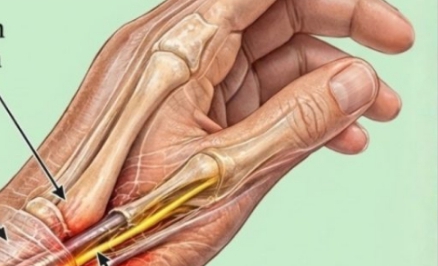
What Does It Mean When Your Hands Fall Asleep?
You may experience:
Tingling or “pins and needles”
Numbness
Temporary weakness in the fingers
A heavy or stiff feeling
This usually occurs when there is nerve compression or reduced blood flow to the hands.
⚠️ Common Causes of Hand Numbness
1. Poor Posture
Staying in one position for too long can compress nerves or blood vessels.
Examples include:
Sleeping on your arm
Resting your elbow for extended periods
Using your phone with a bent wrist
2. Nerve Compression (Carpal Tunnel Syndrome)
Repetitive movements can put pressure on the nerves in your wrist.
People at higher risk:
Office workers
Frequent smartphone users
Manual laborers
Musicians
3. Poor Circulation
Reduced blood flow can lead to tingling or numbness.
Common factors:
Lack of movement
Cold temperatures
Cardiovascular issues
4. Nutritional Deficiencies
Your nerves need proper nutrients to function well.
Deficiencies may include:
Vitamin B12
Magnesium
B-complex vitamins
5. Stress and Muscle Tension
Stress can cause tension in the neck and shoulders, affecting nearby nerves.
Possible symptoms:
Tingling sensations
Muscle stiffness
Arm discomfort
🌿 Natural Remedies That May Help
✔ Hand Exercises
Keep your hands active and flexible:
Stretch your arms
Rotate your wrists
Open and close your hands
Stretch your fingers
✔ Massage Therapy
Gently massage your hands and fingers
Use natural oils for better relaxation
Apply circular motions to improve circulation
✔ Warm Water or Heat Therapy
Soak your hands in warm water for 10–15 minutes
Use a warm towel or compress
✔ Healthy Diet
Include foods rich in:
Vitamin B12
Magnesium
Omega-3 fatty acids
✔ Improve Daily Habits
Take breaks during work
Maintain proper posture
Manage stress levels
Avoid sleeping on your arms
🩺 When Should You See a Doctor?
Seek medical attention if:
Numbness lasts for several days
You experience pain or weakness
The sensation spreads to other parts of the body
It happens frequently
✅ Conclusion
Hand numbness is often linked to simple factors like posture, circulation, or daily habits.
In many cases, it can improve with:
Regular exercise
Massage
Proper nutrition
Healthier lifestyle choices
However, if symptoms persist, it’s important to consult a healthcare professional.
💡 Taking care of your nerves and circulation today can help keep your hands strong and healthy in the future.